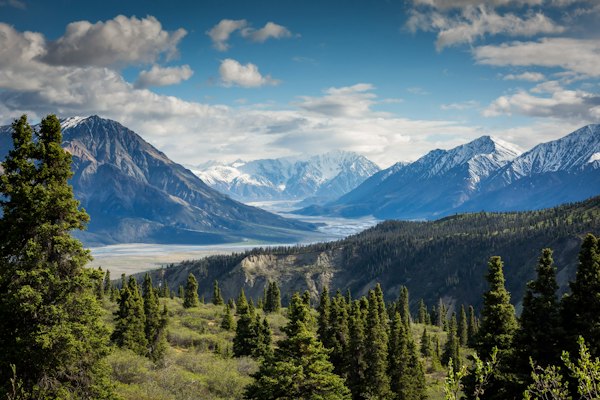
Remote Immersion
Seven days in Iceland's interior. No wifi zones, geological wonders, silence that has weight. For directors rebuilding their relationship with focus.
7 days
CAD 3,240
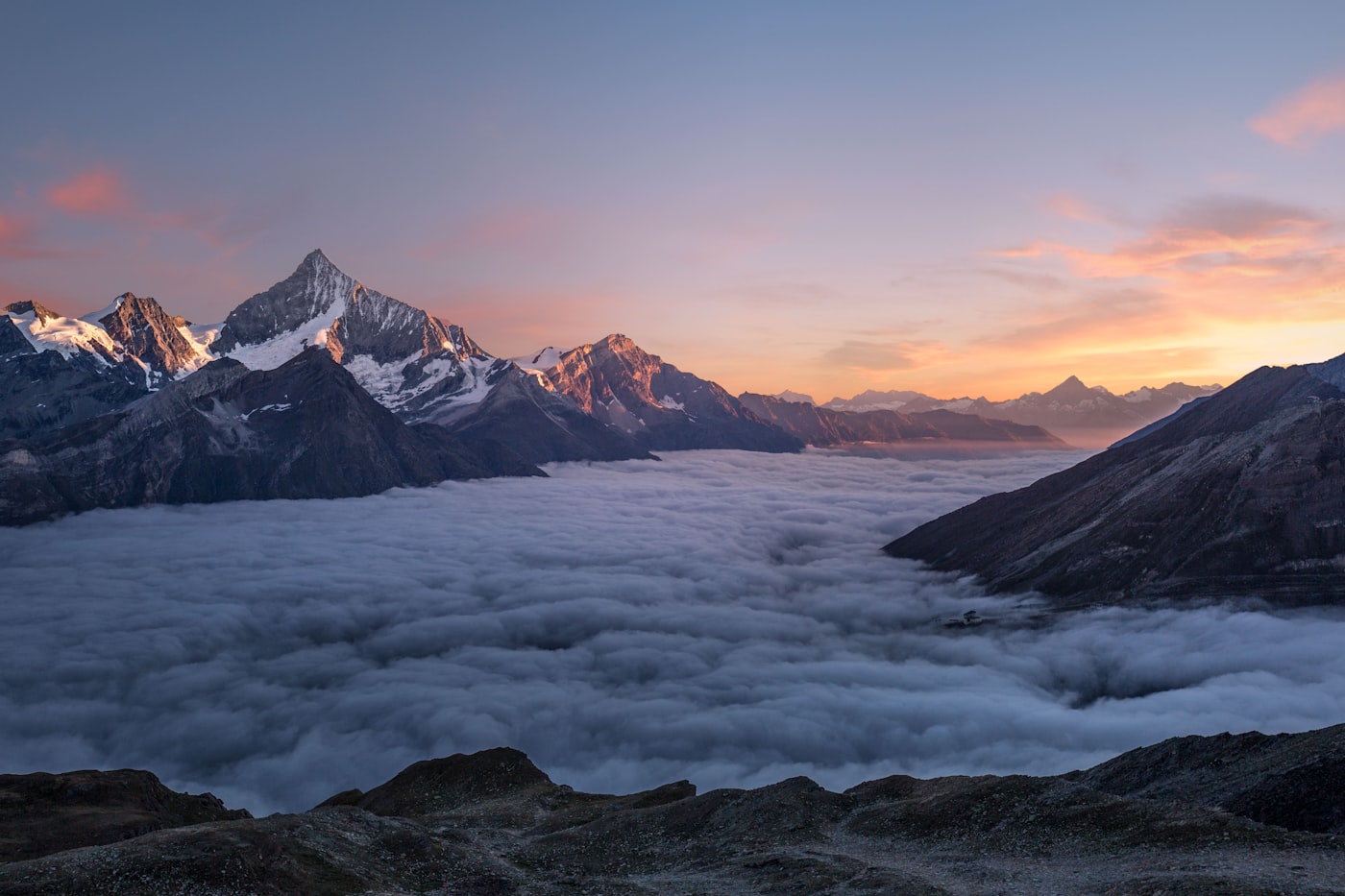
Between campaigns and deadlines, between client revisions and team meetings, there exists a space where creative minds restore themselves.
Not through disconnection, but through a different kind of engagement. Not through escape, but through immersion in environments that mirror the clarity you seek.
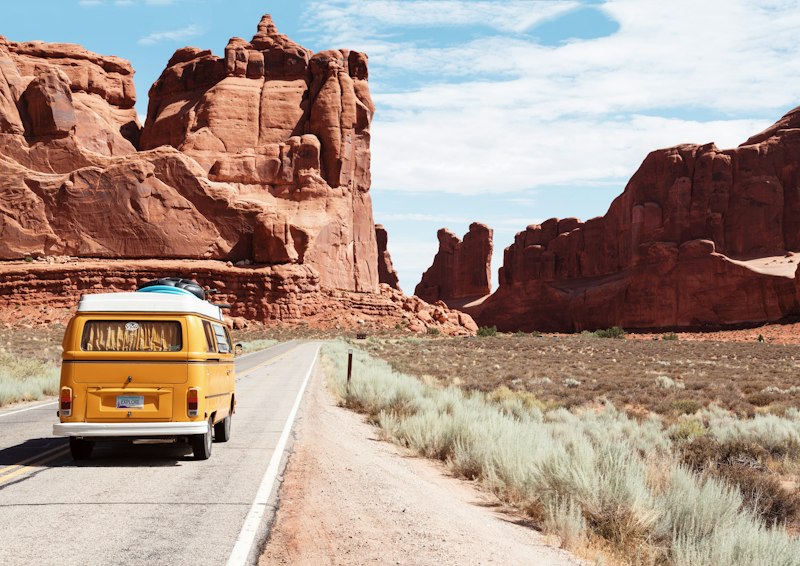
Creative directors describe the same feeling: returning from a trip with notebooks full of ideas that seemed impossible to access in the studio. The connection isn't accidental.
Research in environmental psychology shows that novel environments activate different neural pathways [1], temporarily disrupting habitual thought patterns and allowing new associations to form.
We've spent years identifying locations where this effect is strongest.
Each journey designed around specific creative needs
Seven days in Iceland's interior. No wifi zones, geological wonders, silence that has weight. For directors rebuilding their relationship with focus.
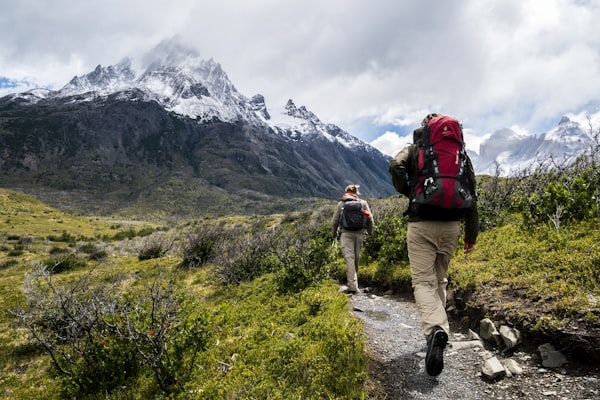
Five days navigating Tokyo's layers. Architecture, craft workshops, neighborhood rhythm. Designed for those seeking density rather than emptiness.
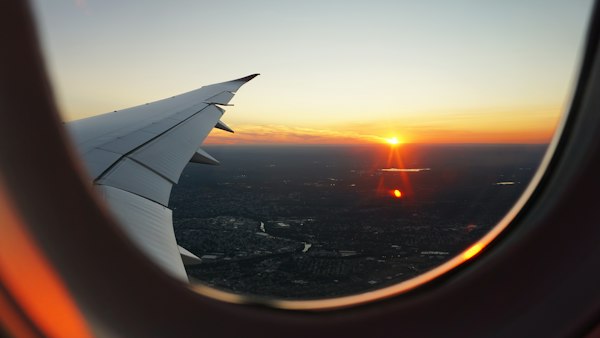
Six days along Portugal's western edge. Ocean patterns, fishing village routines, cliff walks at variable times. For recalibrating decision-making rhythms.

Nine days in the Swiss Alps. Morning hikes, afternoon working sessions in mountain huts, evening reflection. For projects requiring sustained thought.
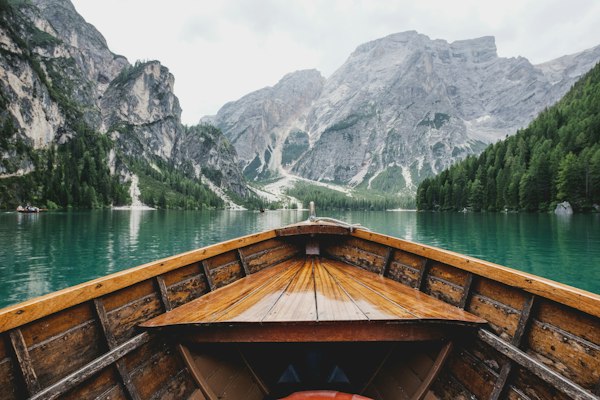
Four days in Morocco's Sahara. Dawn light on dunes, Berber hospitality, star fields without light pollution. For directors seeking perspective shifts.
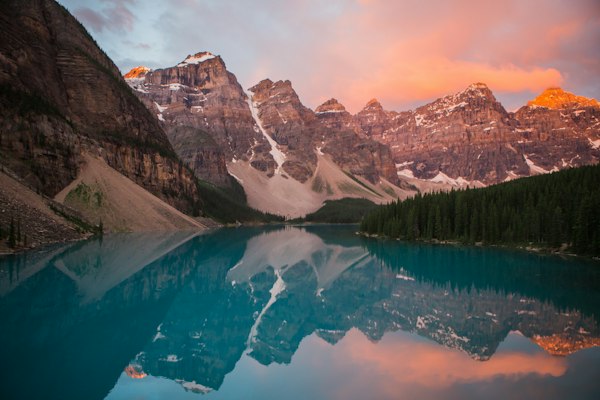
Six days in northern Norway. Fjord light, silence traditions, aurora patterns. Structured around observation rather than activity.
The pattern emerged from conversations with fifty creative leaders about their most productive travel experiences. Common elements: locations that demanded presence, itineraries with built-in unstructured time, and environments unfamiliar enough to break default thinking.
"I returned with solutions to three projects I'd been stuck on for months. Not because I was thinking about them directly, but because my brain had space to make connections it couldn't access in the office rhythm."
— Sarah K., Creative Director, Vancouver agency
"The value wasn't in disconnecting completely. It was in engaging differently. The mountain environment gave me a framework for approaching client work with fresh perspective."
— Marcus T., Independent Creative Strategist
Each destination undergoes evaluation across multiple dimensions. We measure for what we call "cognitive distance" – how different the environment is from typical urban creative spaces.
We prioritize locations where natural rhythms are visible: tidal patterns, light cycles, weather systems. Studies suggest that exposure to predictable natural cycles can help restore regulatory capacity [2] in ways that benefit decision-making.
We also screen for environments that support what psychologists call "soft fascination" – engagement that doesn't deplete attention resources [3].
Complete the form below. We'll reach out within 24 hours to discuss timing and specific needs.
The travel experiences described are designed for inspiration and personal development. Individual outcomes vary based on personal circumstances and engagement level. These journeys are not substitutes for professional mental health support or medical advice. We recommend consulting with appropriate specialists before travel if you have specific health considerations.